
There are important updates to regulations and funding availability for accessible bathrooms for you to be aware of, which is useful knowledge if you or someone you support needs home adaptations.
Here’s the current picture in England, and what you should know before starting a grant-funded bathroom renovation.
Jump straight to…
-
- The Core Grant: Disabled Facilities Grant (DFG)
- How much funding is available — and what has changed recently
- What you need to know about regulations, eligibility & process
- What types of bathroom adaptations are currently supported
- What’s changed since our last post — and what’s coming next
- What this means for you
- Conclusion
- Frequently Asked Questions (FAQs)
The Core Grant: Disabled Facilities Grant (DFG)
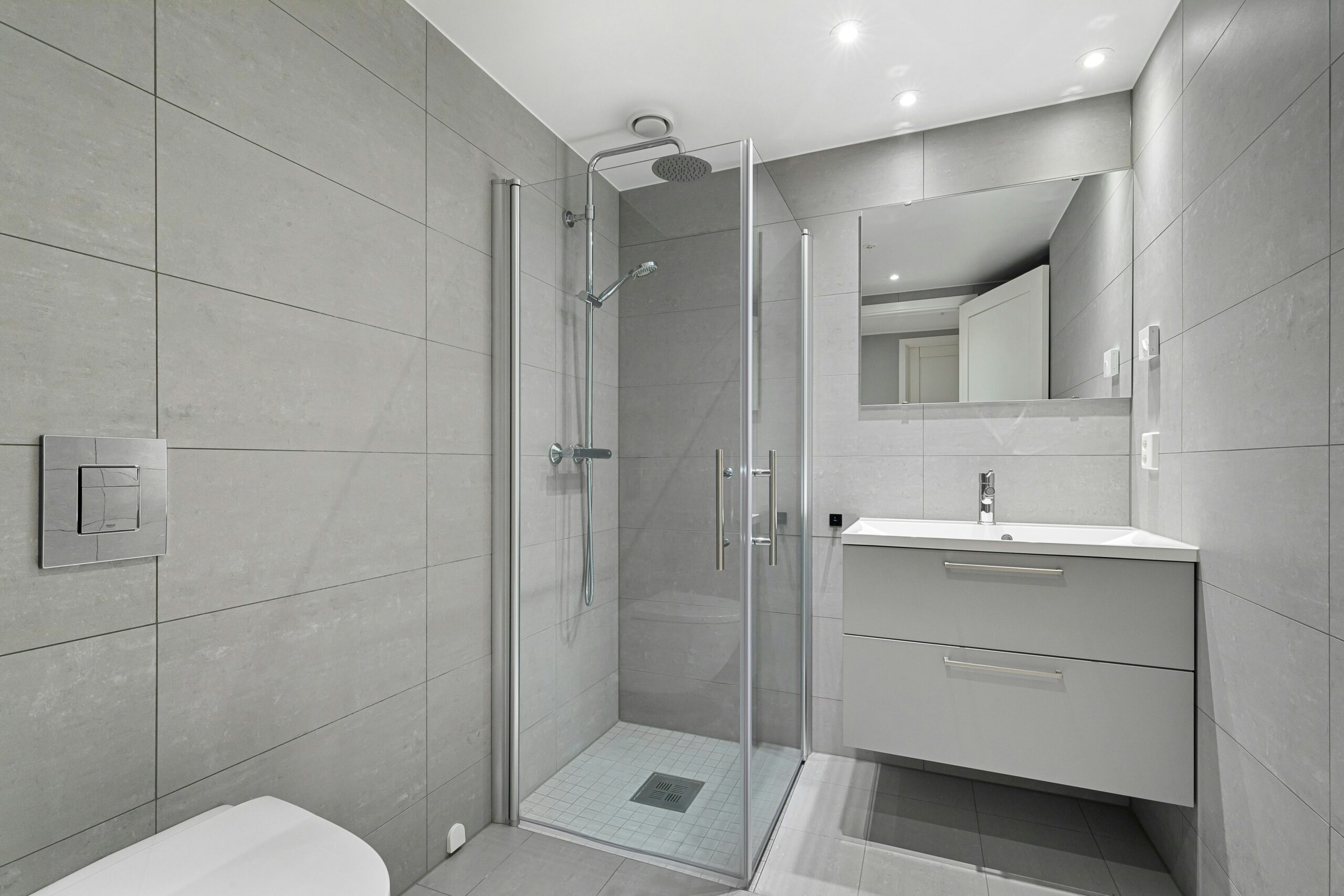
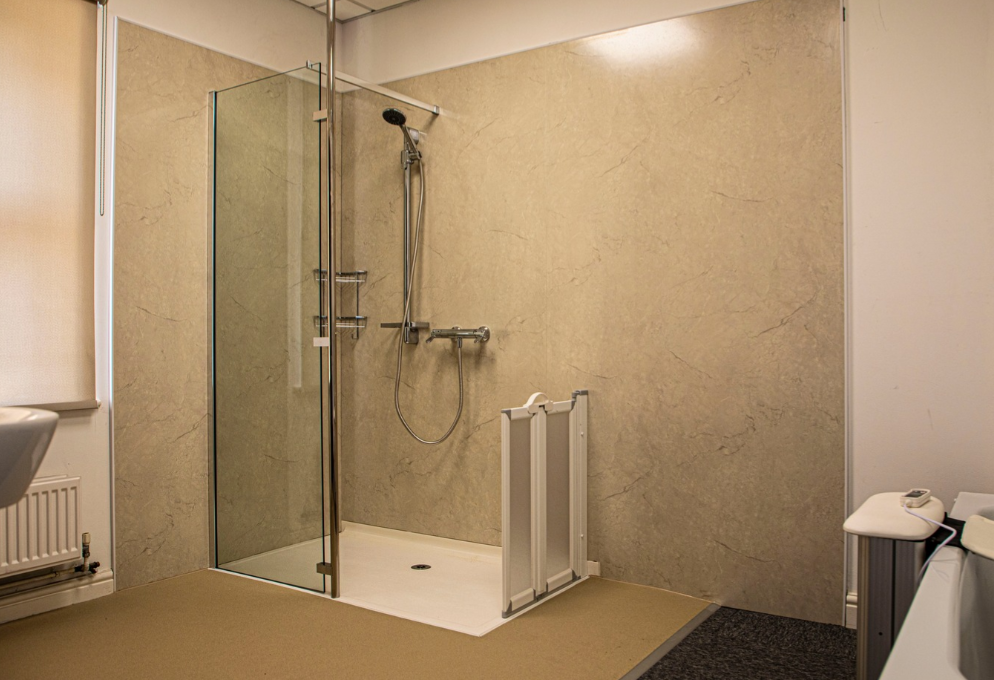
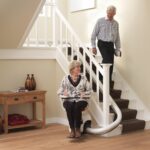
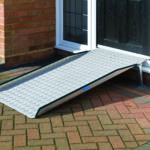
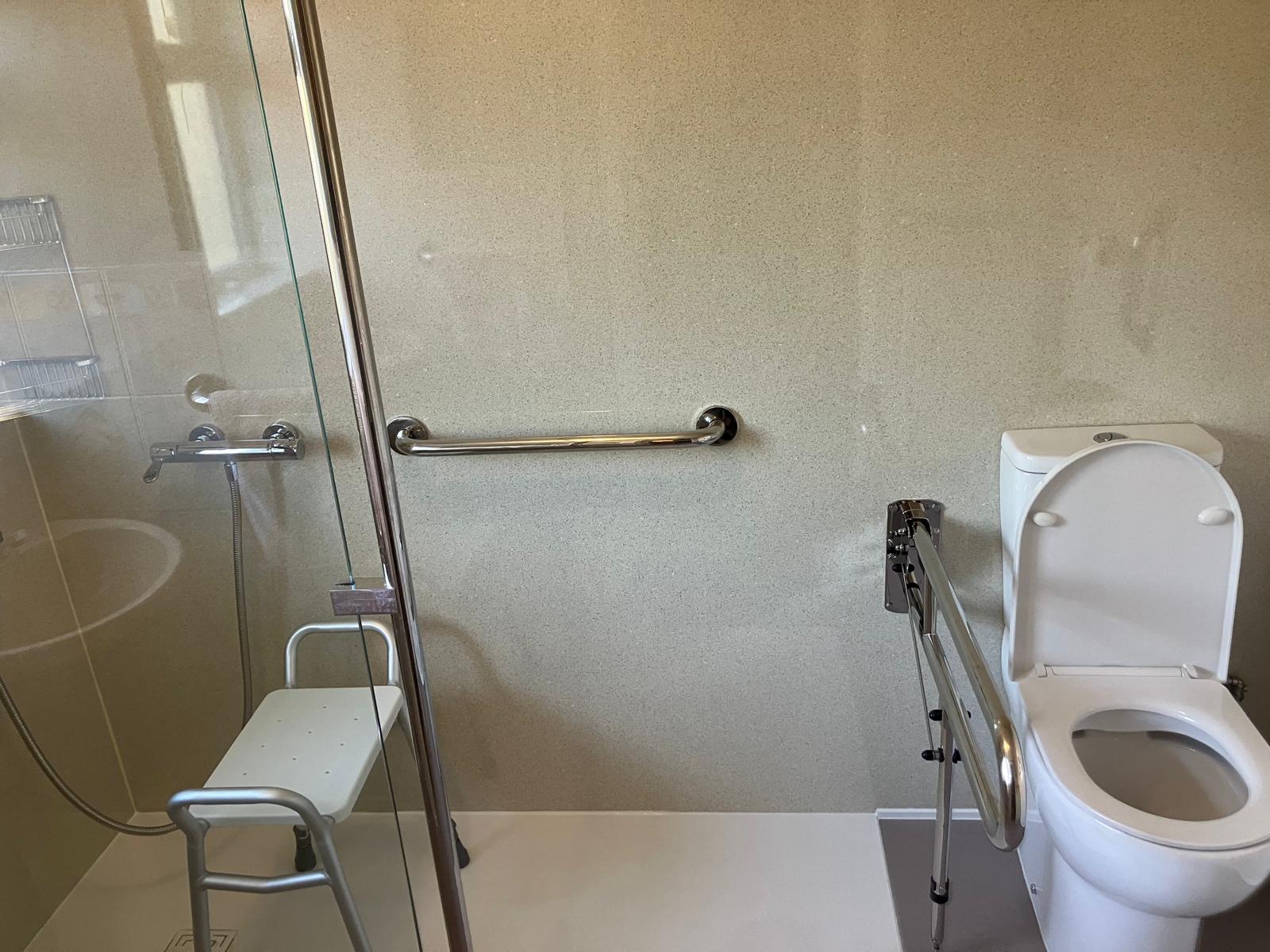
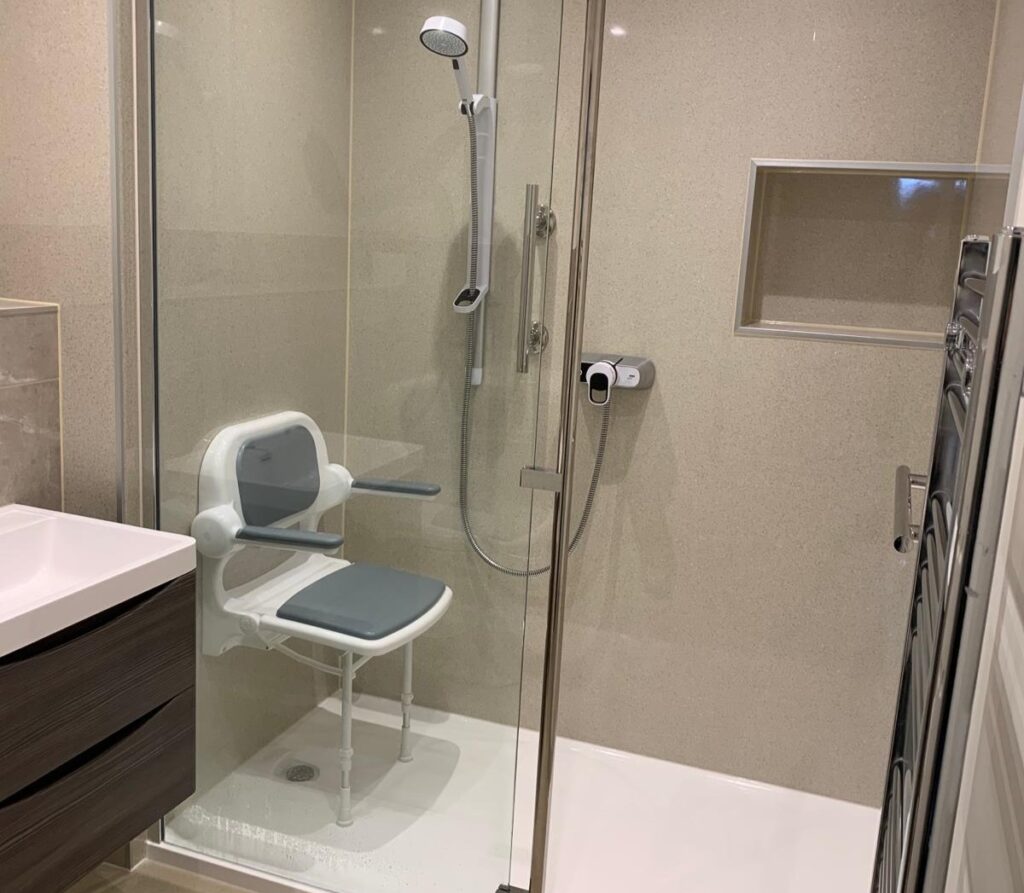
The DFG remains the main source of funding for accessible home adaptations, including level access showers, wetrooms, ground floor bathrooms, accessible toilets, widened doors, ramps, stairlifts, and other changes to make a home safe and usable for someone with a disability.
The grant is available to homeowners, private tenants (with landlord permission), housing association tenants, and some other categories such as occupants of caravans or houseboats.
The eligibility requirements are:
- The person needing the adaptation is disabled
- They (or someone living with them) will continue to live at the property for the grant period (usually five years)
- The local authority agrees the works are “necessary and appropriate” and reasonable given the property’s condition.
The grant is means-tested in many cases (income, savings, etc.), though applications for children under 19 are generally not means-tested.
How much funding is available — and what has changed recently
The national maximum award for a DFG in England remains £30,000 per application.
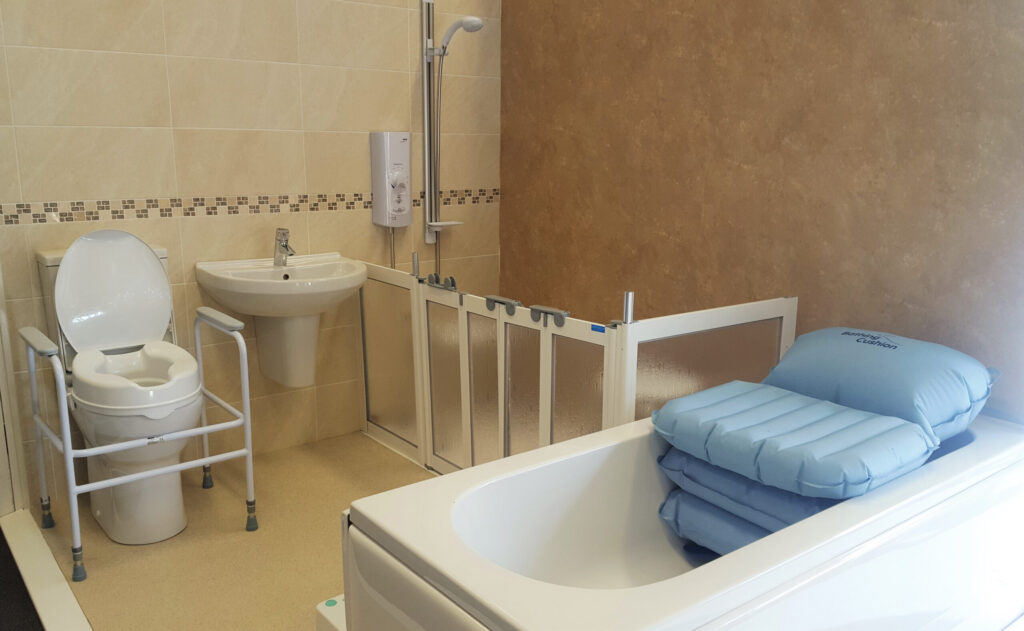
In many cases, a DFG can cover modest adaptations (like grab rails, accessible taps, minor changes), but it can also fund major adaptations: walk-in showers, ground-floor bathrooms, widening doorways, ramps, stairlifts, and bathroom conversions.
As of 2024/25, the government has boosted funding for DFGs nationwide. The allocation for 2024–25 and 2025–26 has been set at £711 million.
These investments mean more people should be able to get adaptations sooner, and local authorities may have greater flexibility in how they award grants: some may choose to waive means-testing or expedite grants in urgent or high-need cases.
What you need to know about regulations, eligibility & process
Before starting any work, you must apply for the DFG. You cannot begin building or adaptation works until the grant is approved, as starting early may invalidate the grant.
An assessment from a qualified professional, often an occupational therapist (OT) is usually required to determine whether the adaptation is “necessary and appropriate.”
Local authorities have some discretion. They must have a published Housing Assistance Policy that outlines how they manage DFG funds. That means the availability and speed of DFGs can vary from council to council.
In addition to DFGs, some councils offer discretionary assistance (in addition to or instead of DFGs), especially in cases where works exceed the standard £30,000 cap or involve unexpected complexity.
What types of bathroom adaptations are currently supported
When applying for a DFG or other local authority support, these are typical adaptations that may be funded:
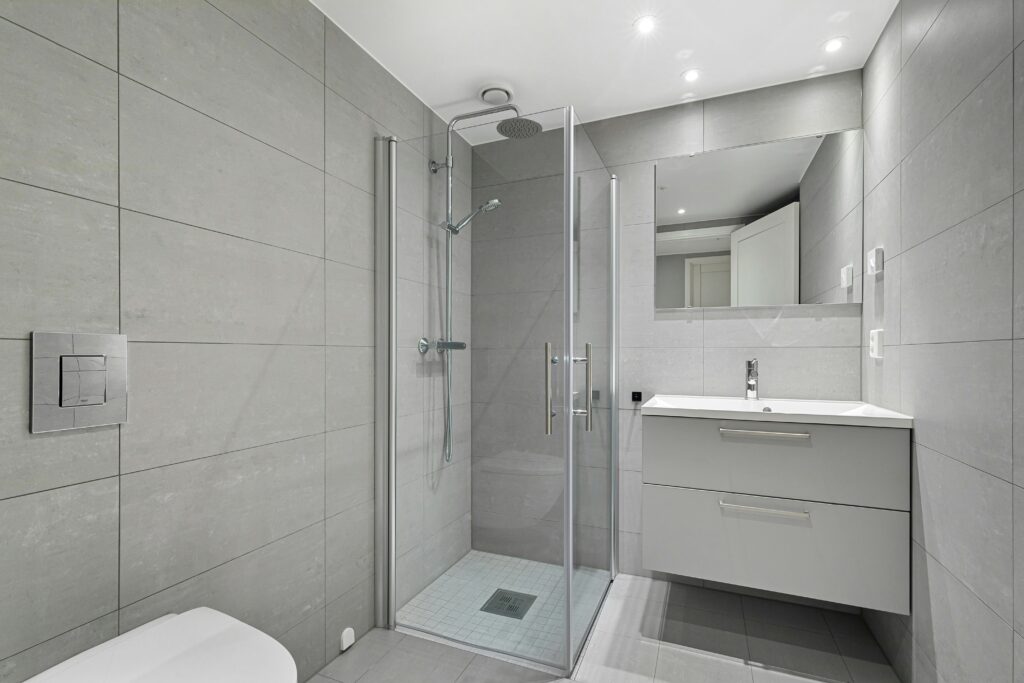
- Level-access showers / walk-in showers or full wetrooms
- Ground floor bathrooms/toilets for people who cannot access upstairs
- Accessible toilets (including wash/dry toilets) and wash basins adapted for disabled users
Other adaptations if necessary as part of a wider adaptation plan, e.g. adjusted heating, accessible controls, supportive fittings (grab rails, non-slip flooring, layout changes).
What’s changed since our last post — and what’s coming next
Since our previous blog post the national funding pot for DFGs has increased significantly, with a clear commitment of £711 million for 2024–25 and 2025–26, meaning more resources and hopefully quicker delivery.
There’s also a renewed review underway. In 2025 the government started consulting on a new formula for allocating DFG funding to local authorities, the first update since 2011.
This could mean a major shift in how local authorities prioritise and distribute grants, potentially leading to more equitable funding across regions and improved access for those in urgent need.
For applicants, this may mean faster turnaround times, less red tape, or greater means-tested flexibility, though exact changes will depend on your local council and how they implement the new allocations formula.
What this means for you
If you’re considering an accessible bathroom or other home adaptation:
Contact your local council’s housing or social services department — request a care needs assessment if you haven’t already; in many cases that’s the first step to getting support.
Once your assessment establishes need, apply for the DFG before doing any work. Starting renovations early can invalidate grant eligibility.
If your property needs larger or more complex work (e.g. conversion of existing rooms, heavy structural changes), ask about discretionary funding or additional assistance on top of the standard DFG.
Keep copies of all documentation, assessments, quotes, and permissions — as local authorities may require detailed breakdowns of the proposed work (especially if a building regulation or contractor’s involvement is needed).
Be aware that the amount and speed of support can vary by council — so check your local authority’s Housing Assistance Policy, and consider applying sooner rather than later, especially given the current increased funding.
Conclusion
Thanks to recent government boosts to the Disabled Facilities Grant and a fresh review of how the grant is allocated, now may be a better time than ever for eligible individuals to secure funding for accessible bathrooms. If you or a loved one will benefit from a safer, more accessible bathroom, now is a good time to act.
Contact us if you’d like help finding your local council’s grant application page or putting together an application checklist.
Frequently Asked Questions
Can an accessible bathroom be funded by a Disabled Facilities Grant?
The Disabled Facilities Grant (DFG) can fund accessible bathrooms, including level-access showers, wetrooms, walk-in showers, accessible toilets, and ground-floor bathrooms where they are necessary for a disabled person.
How much funding is available for an accessible bathroom?
In England, the maximum Disabled Facilities Grant is £30,000 per application. This can cover both labour and materials. Some councils may offer additional discretionary funding if the work is complex or exceeds the standard limit.
Do I need approval before starting bathroom work?
All work must be approved by your local council before installation begins. Starting an accessible bathroom conversion before DFG approval can invalidate your grant application.
Who decides what bathroom adaptations are needed?
A qualified professional, usually an occupational therapist (OT), assesses your needs and recommends the required bathroom adaptations. The council then confirms whether the proposed work is necessary and appropriate.
Is the grant means-tested?
Councils assess income and savings to calculate any contribution. Grants for children under 19 are generally not means-tested, and some councils may reduce contributions using discretionary powers.
Can tenants apply for an accessible bathroom grant?
Homeowners, private tenants (with landlord permission), and housing association tenants can all apply for DFG funding for accessible bathroom adaptations.
How long does an accessible bathroom grant take?
Timescales vary by council, but the process typically takes several months from assessment to installation. Increased national funding may help reduce waiting times, but early application is recommended.