

Choosing between portable and permanent wheelchair ramps depends on your lifestyle, space, and how often you need accessibility support. Both types improve independence, but each comes with unique costs, installation requirements, and long-term benefits.
Jump straight to…
Portable vs Permanent Ramps: Key Differences
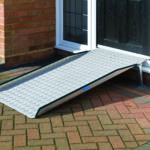
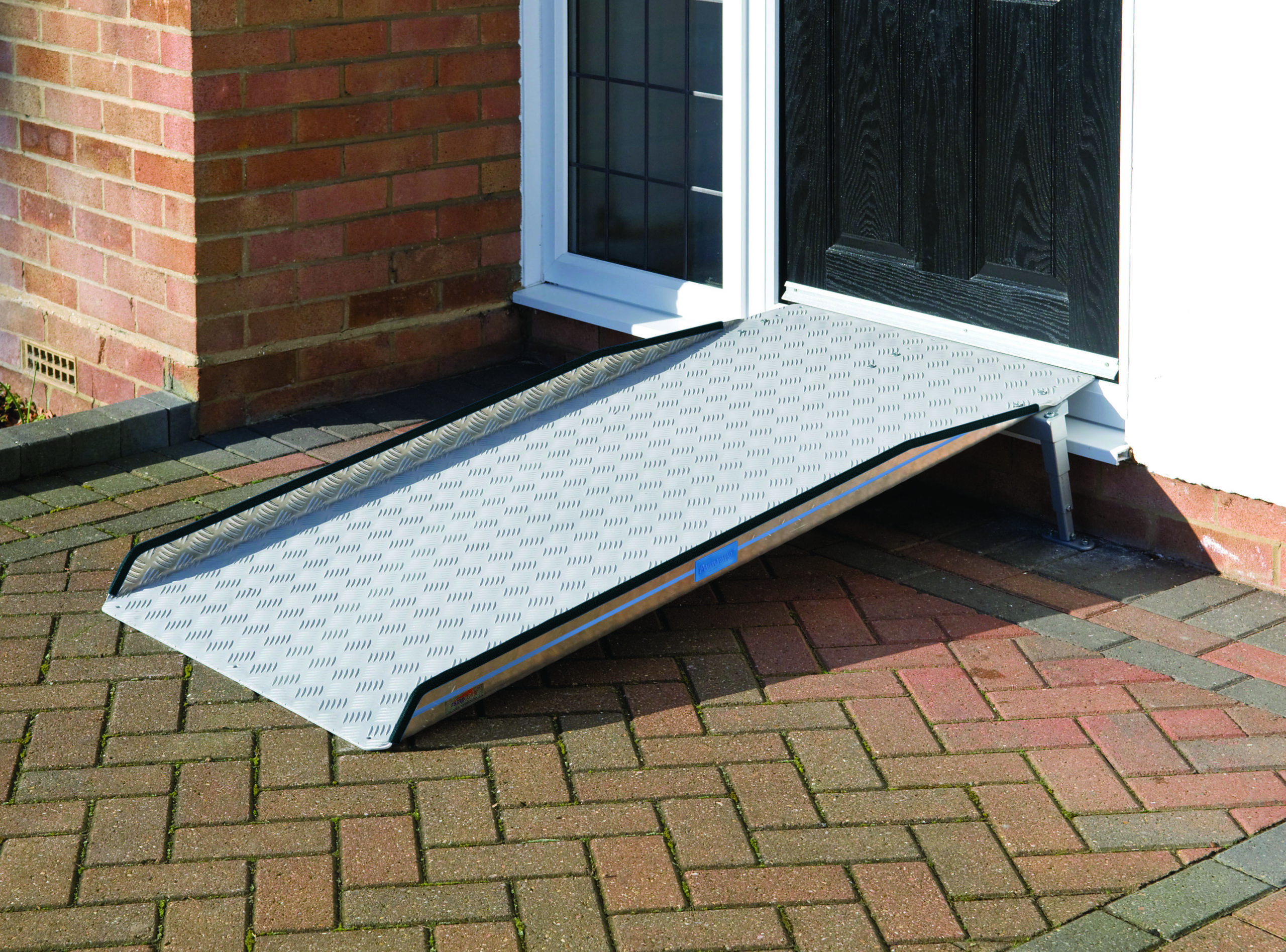
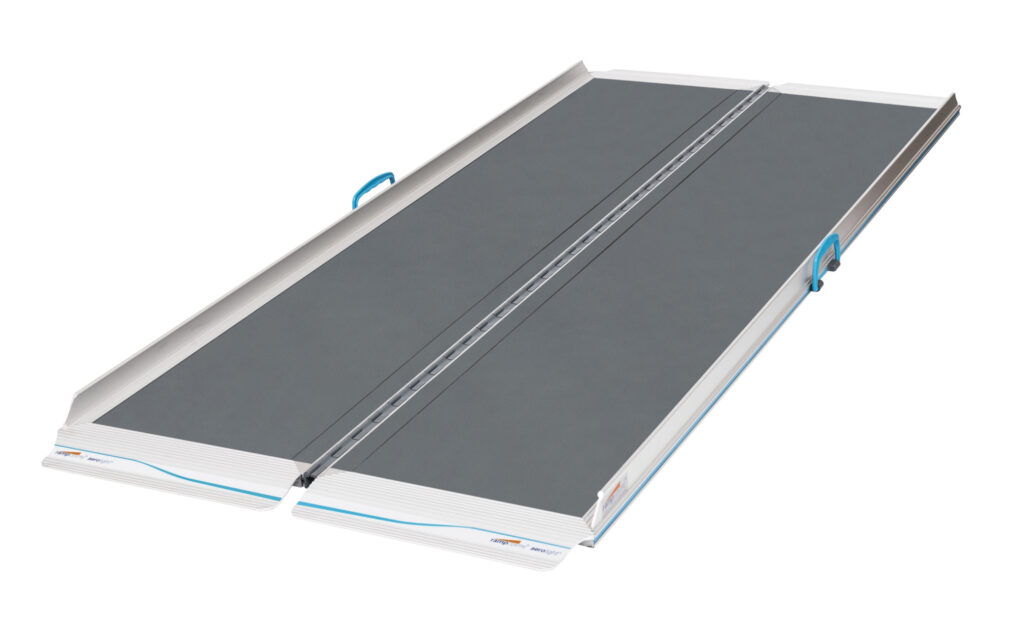
A portable ramp is a lightweight, foldable access solution designed for temporary use or travel. These ramps are ideal when a permanent structure isn’t practical — for example, in rented accommodation or when mobility support is needed only occasionally.
Portable ramps:
- Fold or break down into smaller parts for easy storage
- Require no installation, making them cheaper and faster to get
- Provide temporary access for visitors or infrequent wheelchair users
However, they can be less stable than fixed ramps and may not be ideal for long-term, daily use.
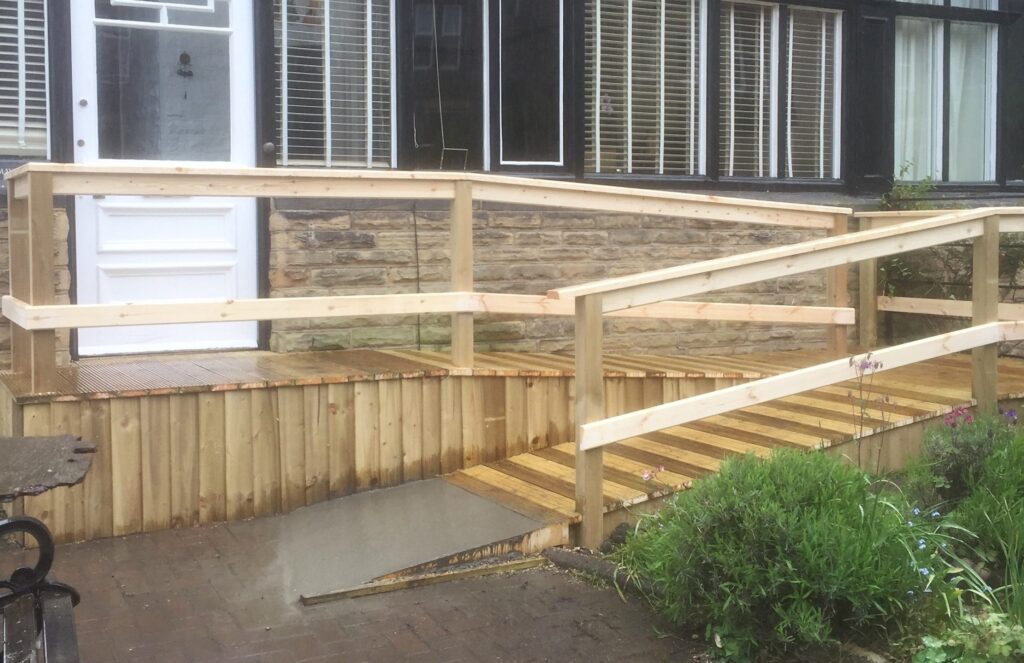
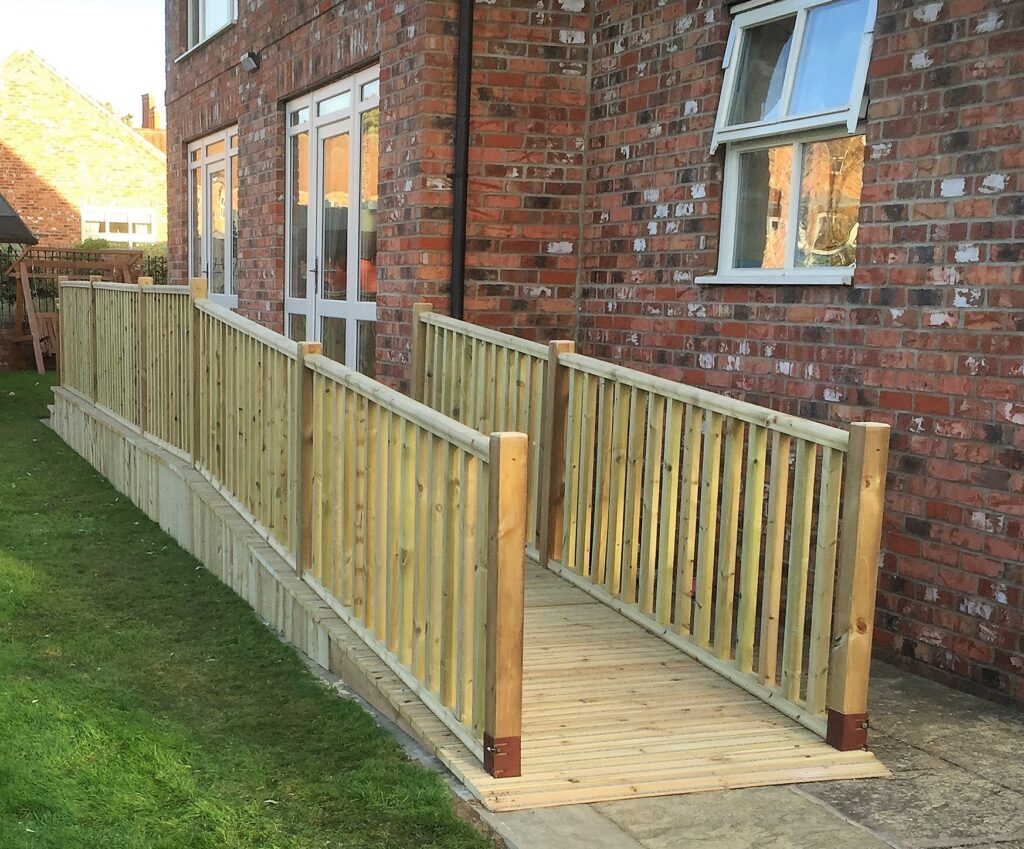
By contrast, a permanent access ramp is securely installed in place, offering a durable, safe, and visually appealing solution for homes and public buildings. Though they require more investment and installation time, they deliver lasting value and stability.
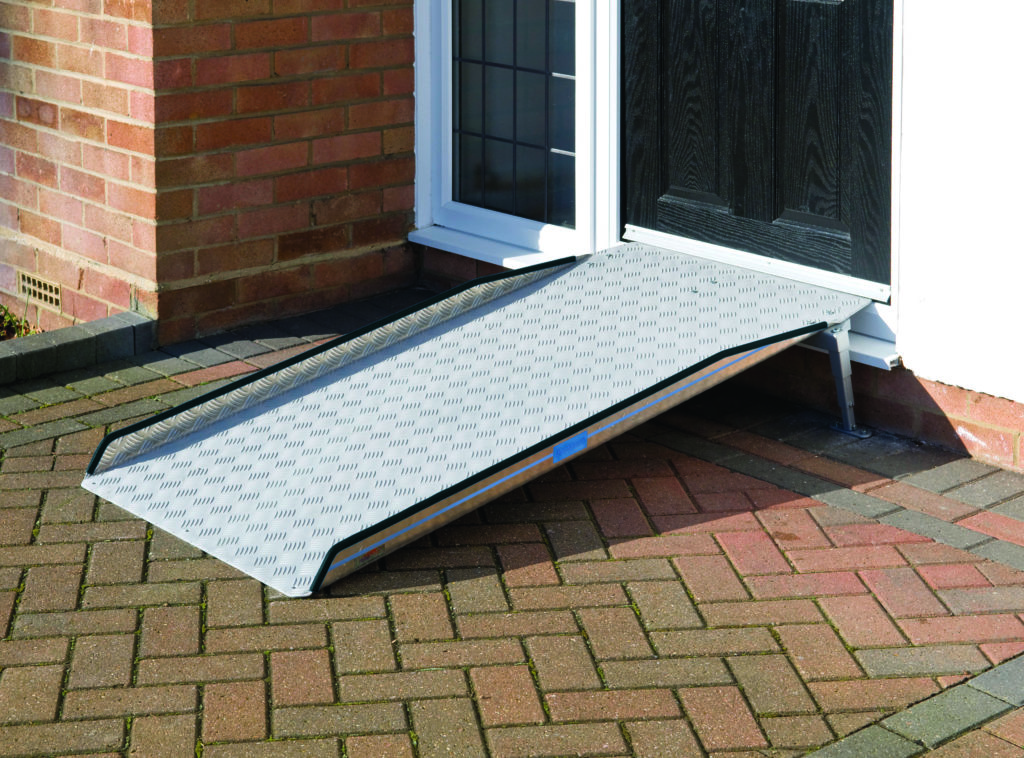
Folding Portable Ramps: Lightweight & Flexible
Folding portable ramps are the go-to choice for people who travel or need occasional access. Typically built from aluminium, these ramps can handle weights between 250–350kg (550–770lbs) and feature non-slip surfaces for safety.
Popular examples, such as the Aerolight Xtra Ramp, fold neatly into a compact size with built-in handles — ideal for carrying like a suitcase. Their corrosion-resistant coating also makes them suitable for both indoor and outdoor use.
Folding ramps are perfect for:
- Travelling or visiting friends and family
- Temporary or rented accommodation
- Homes where permanent modifications aren’t allowed
While folding ramps don’t include handrails and are best for personal, short-term use, they provide a cost-effective and flexible accessibility solution.
Explore the Aerolight Range for durable, portable wheelchair ramps built for convenience and performance.
Permanent Access Ramps for the Elderly
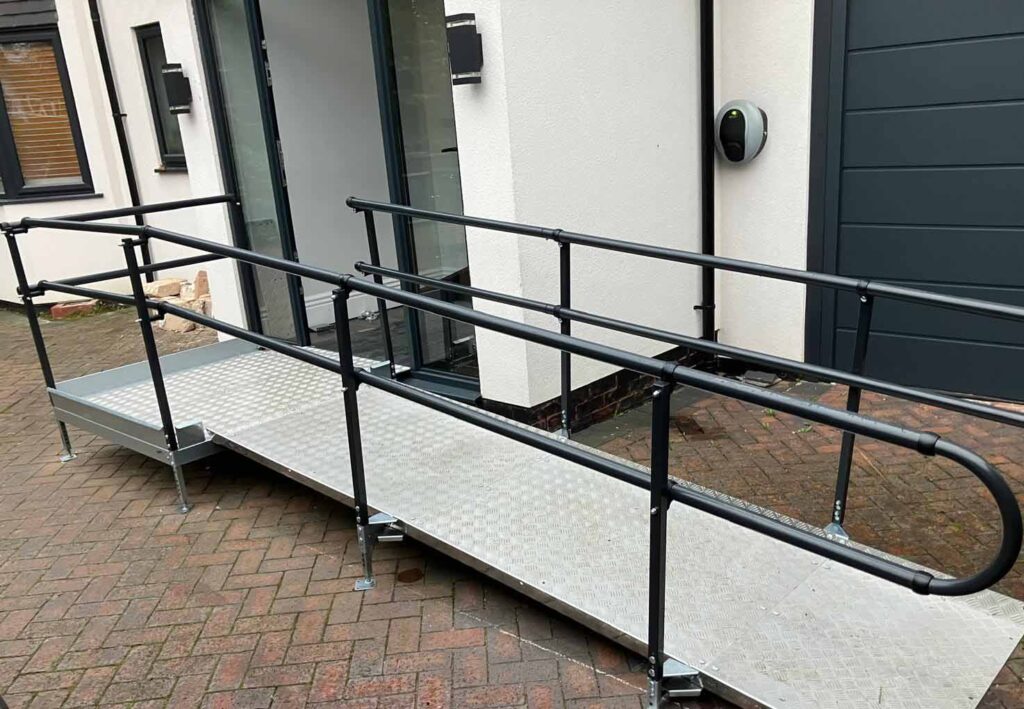
A permanent wheelchair ramp is a long-term accessibility solution typically made from aluminium, concrete, or wood. At Aquadapt, our experts design, manufacture, and install custom-built ramps that suit your home’s layout and style.
Why Choose a Permanent Ramp
- Custom design – tailored to your property’s space and aesthetic
- Added safety – often include handrails for better stability and visual guidance
- Ideal for daily users – suited for wheelchairs, scooters, or walkers used every day
- Increased accessibility – perfect for entrances, care homes, hospitals, or schools
Permanent ramps are built to blend seamlessly with their surroundings while providing long-term peace of mind. Whether made of natural wood for warmth or corrosion-resistant aluminium for durability, these ramps combine functionality and style.
Cost & Installation: Portable vs Permanent Ramps
| Feature | Portable Ramp | Permanent Ramp |
| Installation | No installation required | Professionally installed |
| Flexibility | Fully portable, easy to store | Fixed in place |
| Maintenance | Minimal | Low to moderate |
| Longevity | Short to medium term | Long term |
Which Ramp Is Right for You?
Choosing the right ramp comes down to how often you’ll use it, where you live, and how much flexibility you need.
Frequency of Use
Daily use: A permanent ramp offers the stability, correct gradient, and handrails needed for regular, long-term mobility.
Occasional use: A portable ramp is ideal for visitors, travel, or short-term mobility needs.
Living Situation
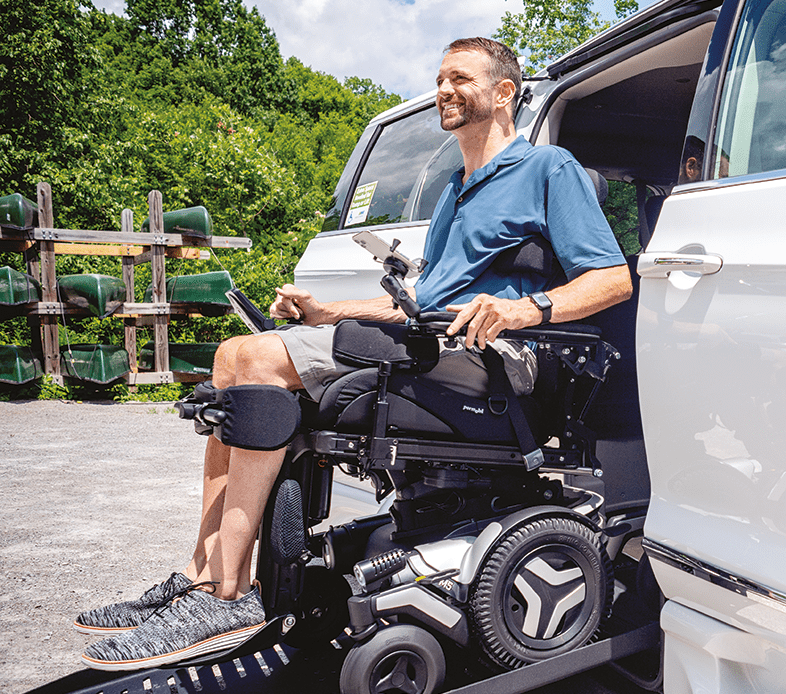
Rented or temporary accommodation: Portable ramps require no installation and can move with you.
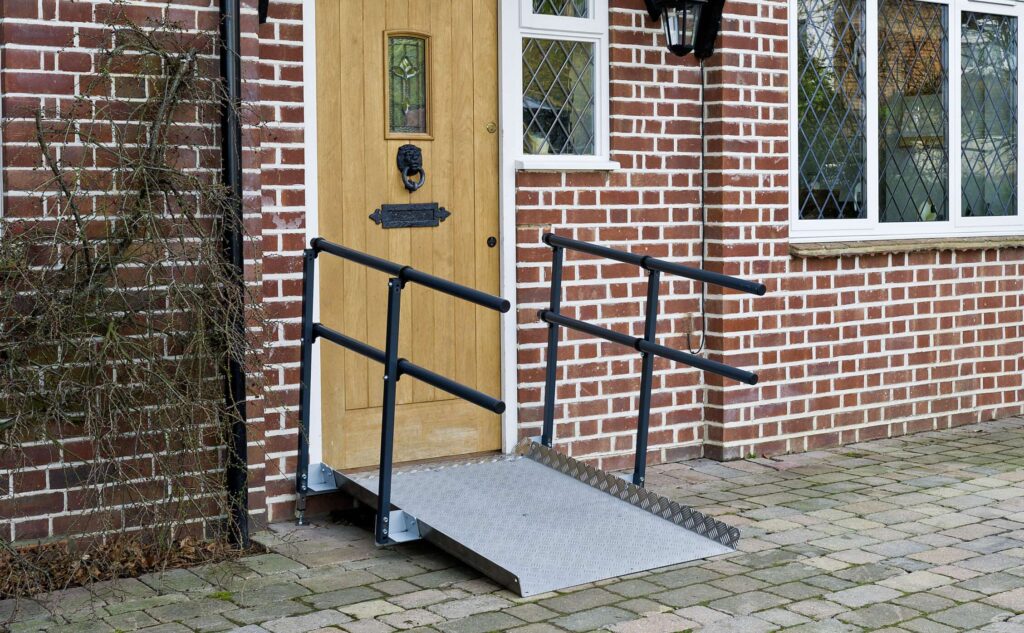
Owned homes: Permanent ramps provide a lasting, integrated accessibility solution.
Budget & Installation Time
Need a quick, affordable option? Choose a portable ramp.
Ready to invest long-term? A permanent ramp offers durability and long-term value.
Aesthetics
Blends with your property: Permanent ramps can be customised to match your home’s style.
Functional design: Portable ramps prioritise practicality and portability.
Conclusion
Both portable and permanent ramps improve accessibility, safety, and independence.
If you value flexibility, portability, and affordability, choose a portable ramp.
If you prefer a durable, tailored, and long-lasting solution, a permanent ramp is the better choice.
Whether you’re adapting your home for a loved one or upgrading your property’s accessibility, the right ramp can make everyday life easier and more comfortable.
Frequently Asked Questions (FAQs)
Q: Do I need planning permission for a permanent ramp?
A: Usually not, but listed buildings or conservation areas may require approval. Check with your local authority.
Q: What’s the recommended gradient for a ramp?
A: A 1:12 gradient is generally advised for safe, comfortable use.
Q: How much weight can a portable ramp support?
A: Most quality portable ramps hold 250–350kg, suitable for wheelchairs and mobility scooters.
Q: Can portable ramps be used outdoors?
A: Yes, most aluminium ramps are weather-resistant with non-slip surfaces.
Q: Which option is better for rented properties?
A: A portable ramp, as it requires no installation and can be taken with you.
Q: Which is more cost-effective long term?
A: For daily use, a permanent ramp offers better long-term stability and value.
Looking for expert advice?
Contact us today to discuss your home ramp installation or explore our full range of portable and permanent accessibility ramps.